

Why it is important to improve your Soft Skills and how to do it
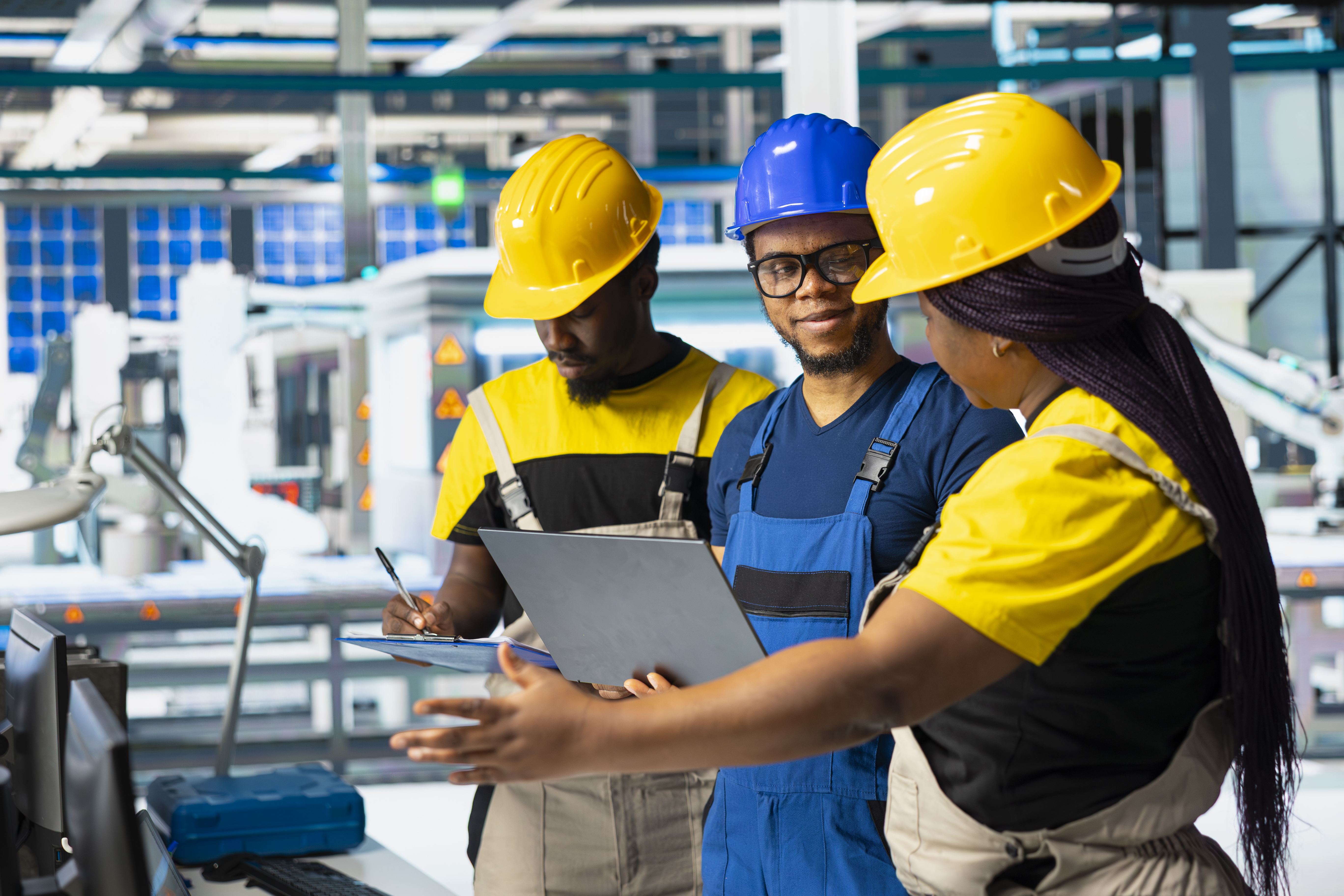
When people think about careers in mining and engineering, they usually focus on technical ability. Qualifications, trade tests, machinery experience, and industry knowledge are all important but they are not the only things employers look for. Soft skills are just as valuable as technical skills. A highly skilled artisan who struggles to communicate, work in a team, or follow instructions can create delays, conflict, and even safety risks on site. On the other hand, someone with strong soft skills often becomes the person supervisors trust, teams rely on, and companies promote.
What Are Soft Skills?
Soft skills are the personal qualities and habits that affect how you work with others and handle responsibilities in the workplace.
In mining and engineering environments, some of the most important soft skills include:
- Communication
- Teamwork
- Problem-solving
- Time management
- Adaptability
- Professionalism
- Leadership
- Reliability
These skills may sound simple, but they make a major difference in high-pressure working environments.
Why Soft Skills matter
Mining, construction and engineering projects rely heavily on teamwork. Everyone from operators and artisans to supervisors and safety officers must work together to keep projects moving safely and efficiently.
For example, a diesel mechanic who clearly communicates a machine fault can help prevent costly downtime. An electrician who stays calm under pressure during a breakdown becomes a valuable team member during shutdowns.
A boilermaker who arrives on time, works well with others, and follows safety procedures consistently is more likely to be called back for future projects. Technical skills may get your foot in the door, but soft skills often determine how far your career goes.
Communication Is Important
Good communication does not mean speaking perfectly or using complicated words. It means being clear, respectful, and professional.
Simple habits can improve communication immediately:
- Listening carefully before responding
- Asking questions when instructions are unclear
- Giving accurate updates to supervisors
- Speaking respectfully to co-workers and clients
One misunderstanding on a mine site can lead to delays, damaged equipment, or safety incidents. Strong communication helps teams avoid costly mistakes.
How to Improve Soft Skills
The good news is that soft skills can be improved just like technical skills. Many artisans develop stronger communication, leadership, and teamwork abilities simply through experience, but there are also practical ways to improve outside of work. Paying attention to feedback from supervisors and colleagues is one of the best starting points. If people regularly mention communication, attitude, punctuality, or teamwork, it is worth taking seriously because those small habits often affect career growth more than people realise.
There are also many free and affordable online courses that can help artisans strengthen these skills. Platforms like Coursera, Udemy, and LinkedIn Learning offer short courses in communication, leadership, conflict management, teamwork, and time management that can be completed in your own time. Even YouTube channels focused on workplace professionalism and leadership can provide useful advice that applies directly to mining and engineering environments.
Improvement also comes from daily habits on site. Watching experienced supervisors handle pressure, learning how strong team leaders communicate during shutdowns, or observing how respected workers solve problems professionally can teach valuable lessons. Practising simple things like greeting colleagues professionally, listening carefully during toolbox talks, asking questions when instructions are unclear, and remaining calm during stressful situations all help build stronger workplace relationships over time.
Soft skills are developed through consistency. Just like technical ability improves with practice, professionalism and communication improve when workers make a conscious effort to strengthen them every day.
Soft skills are not “extra” skills — they are career skills.
The ability to communicate clearly, work well with others, stay professional under pressure, and remain reliable can separate average workers from exceptional ones. At Bilnor, we see every day how the right attitude and strong work ethic help artisans build long-term careers in mining, engineering, and construction. Technical skills get the job done. Soft skills help build the future.
 Chat to Us
