

What Makes a Great Diesel Mechanic? The Skills Employers Look For
Diesel mechanics are the backbone of many industries, particularly mining, construction, agriculture, transport, and manufacturing. When heavy equipment breaks down, productivity suffers, deadlines are missed, and operational costs quickly increase. That's why employers are looking for more than someone who can simply repair an engine—they're looking for professionals who can diagnose problems accurately, work efficiently, and contribute positively to the team.
While technical knowledge is essential, the best diesel mechanics combine practical expertise with a strong work ethic and excellent communication skills. These qualities set exceptional candidates apart from the rest.
Strong Technical Knowledge
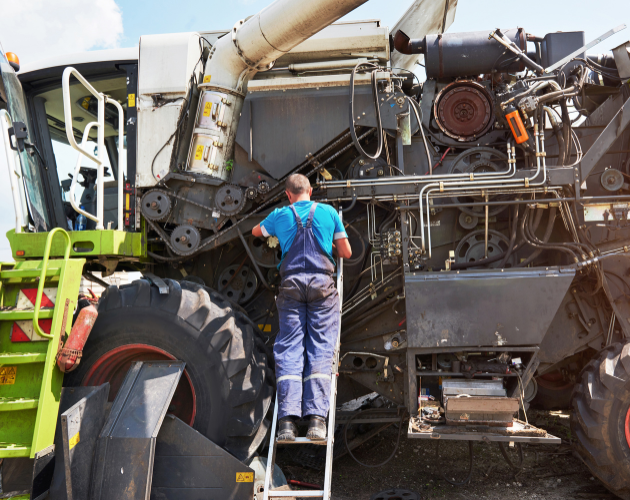
A great diesel mechanic has a solid understanding of diesel engines and the systems that support them. Modern equipment is far more advanced than it was a decade ago, requiring mechanics to understand hydraulics, electrical systems, transmissions, fuel systems, braking systems, and electronic control modules. Employers value mechanics who can confidently work on a variety of equipment, whether it's haul trucks, excavators, loaders, generators, agricultural machinery, or commercial vehicles. The broader a mechanic's knowledge, the more valuable they become to an organisation.
Technical competence also means staying up to date with new technologies. As manufacturers continue introducing electronic diagnostics and computer-controlled systems, continuous learning has become an important part of the profession.
Excellent Fault-Finding Skills
Replacing parts without identifying the root cause of a problem can be expensive and time-consuming. Exceptional diesel mechanics are skilled problem-solvers who use logical thinking to diagnose faults before beginning repairs. Rather than relying on guesswork, they gather information, inspect components carefully, interpret diagnostic data, and test systems methodically. This approach reduces unnecessary downtime and prevents repeat failures.
Employers place a high value on mechanics who can quickly identify issues while maintaining a high standard of workmanship.
Attention to Detail
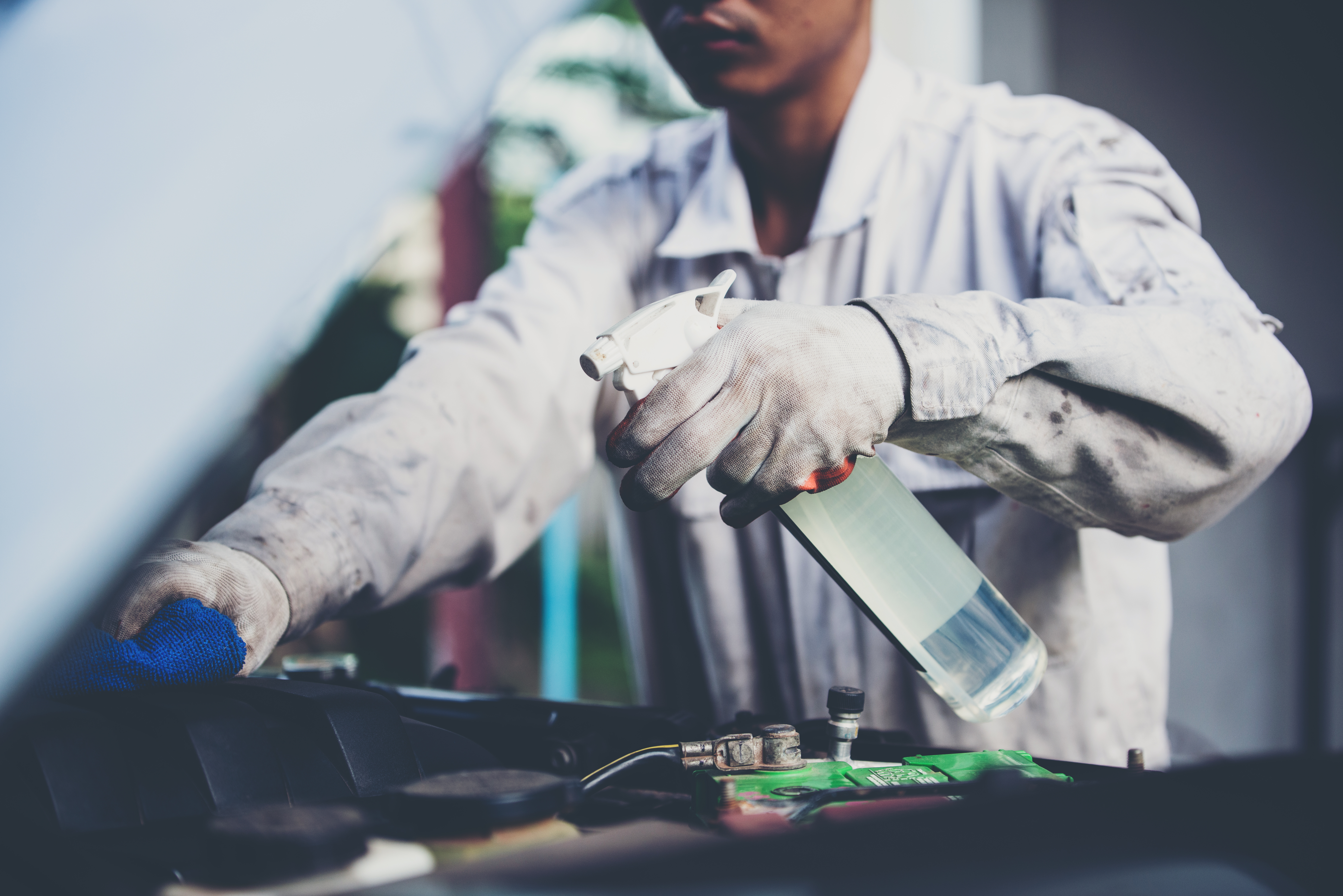
Small mistakes can lead to major equipment failures or serious safety incidents. Missing a loose fitting, failing to tighten a bolt correctly, or overlooking a worn component can have costly consequences. Successful diesel mechanics pay close attention to every stage of a repair. They follow manufacturer specifications, complete inspections thoroughly, and ensure equipment is safe before returning it to service.
This attention to detail helps improve equipment reliability while reducing the likelihood of future breakdowns.
Pride in Quality Workmanship
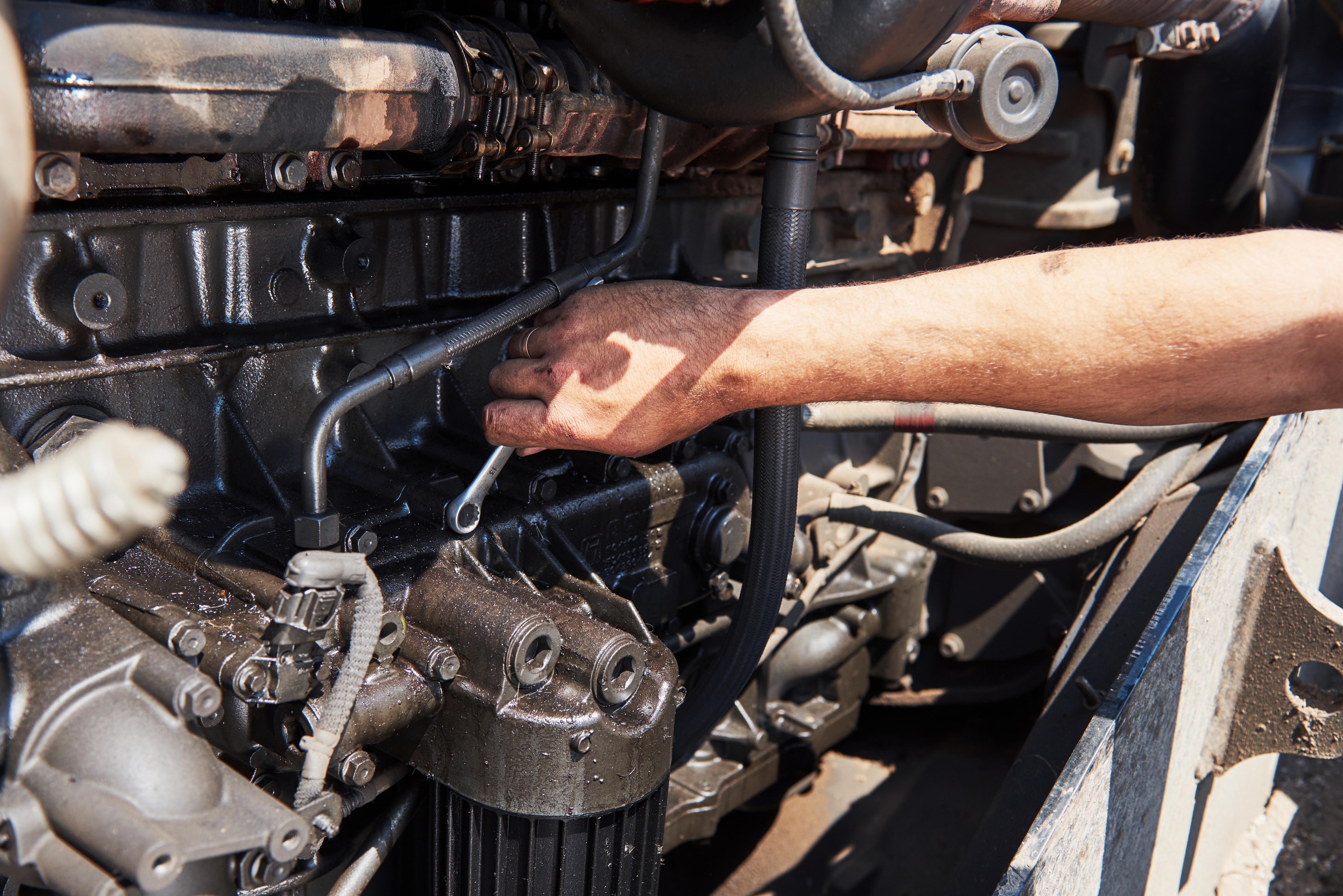
Exceptional mechanics don't settle for temporary fixes when permanent solutions are available. They take pride in completing repairs correctly the first time and ensuring equipment leaves the workshop in excellent working condition.
This commitment to quality reduces repeat repairs, improves equipment availability, and builds trust with employers and equipment operators alike.
Quality workmanship is often what separates a good mechanic from a truly outstanding one.
A Willingness to Keep Learning
The diesel mechanic profession continues to evolve as manufacturers introduce more advanced technology into modern equipment.
Employers appreciate candidates who actively pursue additional training, attend manufacturer courses, earn new certifications, and stay informed about industry developments.
Continuous learning demonstrates initiative and helps mechanics remain valuable throughout their careers.
What Employers Really Want
While qualifications and experience remain important, employers are increasingly looking for well-rounded professionals who bring more than technical ability to the workplace.
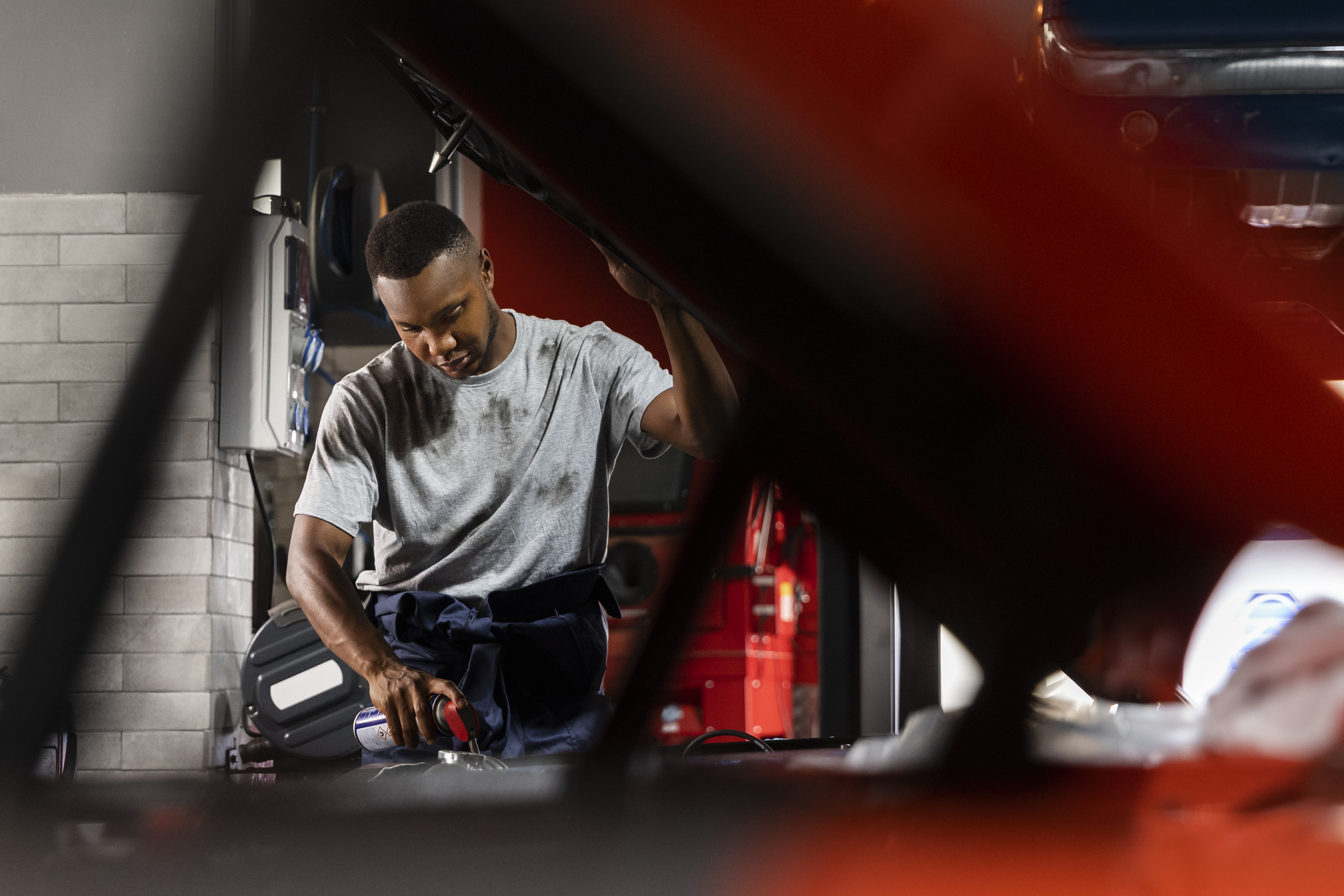
The most sought-after diesel mechanics combine strong diagnostic skills with a positive attitude, reliability, attention to detail, and a genuine commitment to safety. They work well within a team, communicate effectively, and are always willing to learn.
These qualities not only make employees more valuable but also create safer, more productive workplaces.
A Successful Diesel Mechanic
A successful diesel mechanic is far more than someone who repairs engines. They are problem-solvers, safety ambassadors, team players, and skilled professionals who help keep critical operations running smoothly.
Whether you're starting your career or looking for your next opportunity, developing both your technical expertise and your professional skills can make a significant difference. Employers recognise candidates who consistently demonstrate reliability, quality workmanship, and a commitment to continuous improvement—and those are often the individuals who enjoy the greatest career success.
 Chat to Us
