

What Employers Really Look For During Interviews in 2026
For artisans and engineers, technical skill will always matter. Qualifications, trade tests, experience on site, and industry knowledge remain essential in mining, construction, engineering, and heavy industry. But in 2026, employers are looking beyond certificates and CVs. Interviews have become more focused on attitude, communication, reliability, and whether a candidate will fit into a team and perform well under pressure.
Many job seekers still approach interviews thinking they only need to answer technical questions correctly. While technical competency is important, employers are paying close attention to how candidates present themselves, how they communicate, and whether they appear genuinely prepared for the role. In competitive industries where projects move fast and downtime costs money, companies want employees they can trust from day one.

Be Professional
One of the biggest things employers notice during interviews is professionalism. This starts before the interview even begins. Arriving late, ignoring emails, missing calls from recruiters, or appearing uninterested immediately creates concern. Companies want artisans and engineers who are dependable because reliability on site often translates directly into productivity and safety. A candidate who communicates clearly and respects the process already creates a positive impression before discussing technical ability.
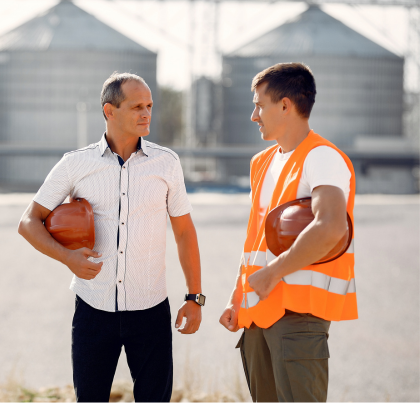
Come prepared
Preparation has also become more important than ever. Employers can quickly tell when a candidate has not taken time to understand the role or the company. Candidates who know basic information about the project, the type of work involved, or the equipment being used often stand out immediately.
One common mistake candidates still make is underselling their own experience. Many artisans and engineers have valuable practical knowledge but struggle to explain it properly during interviews. Instead of simply saying “I worked on maintenance,” candidates should describe the actual work they performed, the equipment they worked on, the environments they operated in, and the results they achieved. Employers want to hear about real situations because this helps them understand how a candidate performs in the workplace.

Communicate
An artisan who can confidently discuss previous experience with certain machinery, maintenance procedures, shutdown work, or fault-finding shows initiative and practical understanding. Engineers who can explain projects they have worked on and the challenges they solved demonstrate real-world competence rather than just theoretical knowledge.
Communication skills are becoming increasingly important as workplaces become more connected and technology-driven. Employers are not expecting every artisan or engineer to be a polished public speaker, but they do want candidates who can explain themselves clearly, follow instructions, and communicate professionally with supervisors, clients, and coworkers. Even highly skilled candidates sometimes lose opportunities because they appear difficult to work with or struggle to communicate effectively during interviews.
Another mistake is giving short, closed answers during interviews. Employers are trying to get a sense of who the candidate is, how they think, and how they approach problems. Candidates who provide detail and explain their reasoning often leave stronger impressions than those who only answer with one or two words. Confidence, honesty, and professionalism usually go much further than trying to sound perfect
Another major factor employers look for is safety awareness. In industries such as mining, construction, and engineering, safety is not treated as a formality. Interviewers want to know whether candidates understand procedures, take responsibility seriously, and can work safely in high-risk environments. Candidates who casually dismiss safety protocols or speak carelessly about previous incidents can damage their chances very quickly. Employers value workers who understand that safety protects not only themselves but also their teams and operations.
At Bilnor Staffing Solutions, we understand that interviews can feel stressful, especially in highly competitive industries. That is why our team works closely with candidates throughout the recruitment process. We help arrange interviews between candidates and employers while ensuring candidates understand the requirements of the role and what the company is looking for. Our recruiters regularly communicate with candidates to help them prepare, provide important information about opportunities, and ensure the process runs smoothly from application to placement.
We also understand the industries we recruit for. Whether it is mining, engineering, construction, manufacturing, or technical trades, Bilnor works with employers who require skilled, safety-conscious, and reliable professionals. Our goal is not only to connect candidates with opportunities, but also to help position them for long-term success.
In 2026, interviews are no longer only about proving technical knowledge. Employers are looking for people who are dependable, professional, safety-aware, adaptable, and ready to contribute positively to the workplace. Candidates who prepare properly, communicate confidently, and present themselves professionally place themselves in a much stronger position to succeed.
For artisans and engineers looking for their next opportunity, the interview is more than just a conversation — it is the moment where experience, attitude, and professionalism come together.
 Chat to Us
