

Undermining the Workforce: How Corruption Erodes Mining Jobs — And What We Can Do About It
In South Africa’s mining and engineering sectors, corruption is not a far-off political scandal — it’s an everyday threat to jobs, safety, wages, and opportunity. From dodgy tenders to bribes at inspection level, corruption hits the working class hardest, especially those trying to build an honest living underground or on-site.
The Real Cost of Corruption on Mining Jobs
Mining is a pillar of South Africa’s economy, supporting over 450,000 direct jobs and millions more indirectly (Statistics South Africa, 2023). But corruption—whether through inflated tenders, manipulated hiring, or bribery—threatens this stability.
1. Job Losses and Economic Instability
- Mine closures and stalled operations when mismanaged contracts fail.
- Investor flight due to reputational and operational risks.
- Unfair labour practices that shut out qualified workers.
In 2023, Corruption Watch recorded a surge in corruption complaints within the mining sector, with nearly 40% of their total reports involving mining and municipal infrastructure (Pinsent Masons, 2024). Load shedding alone—linked to corruption at Eskom—was blamed for the loss of over 350,000 jobs, many in mining regions (BusinessTech, 2023).
2. Safety Takes a Back Seat
When safety upgrades are awarded via bribes or backdoor deals, lives are at risk. Faulty equipment, lack of training, and corner-cutting by unscrupulous contractors have all contributed to workplace accidents and deaths (Mining Review Africa, 2023).
3. Wage Theft and Exploitation
Workers—especially contractors—often face delayed or missing wages. Without proper oversight, corruption allows dishonest companies to withhold pay, dodge benefits, or threaten whistleblowers. This erodes trust and deepens poverty in mining communities.
4. Skilled Talent Leaves the Sector
Corruption discourages young professionals and engineers from staying in mining. Poor project delivery, shady procurement, and unstable contracts push skilled talent to leave the sector—or the country—entirely (Norton Rose Fulbright, 2024).
What Can We Do to Fix It?
For Companies and Industry Bodies:
- Enforce transparency in tenders and hiring. Use digital platforms to audit procurement and contracts.
- Train teams to identify and report corruption. Create a speak-up culture where workers can report safely.
- Adopt ethical procurement practices. Award contracts based on merit, not relationships.
- Promote leadership accountability. Executives must lead by example—ethics starts at the top.
Know Your Rights
South Africa’s Protected Disclosures Act shields workers who blow the whistle on wrongdoing in good faith.
Support Ethical Contractors and Employers
Push for companies that uphold integrity. Reward good behaviour with loyalty and advocacy. “Integrity in leadership sets the tone — workers will follow if ethical behaviour is rewarded.” — Norton Rose Fulbright Mining Indaba, 2024
Vote for Change
Hold political and community leaders accountable. Support those who advocate for transparency in infrastructure and job creation. “Political accountability is one of the strongest weapons against corruption.” — Transparency International, Global Corruption Barometer, 2023
What Can We Do to Fix It?
Even without institutional power, individuals play a key role in stopping corruption. Here's how:
Refuse to Take or Pay Bribes
Whether it’s a favour, cash, or “cold drink,” don’t participate in unethical shortcuts. “Petty corruption is often the entry point to deeper systemic abuse.” — Transparency International
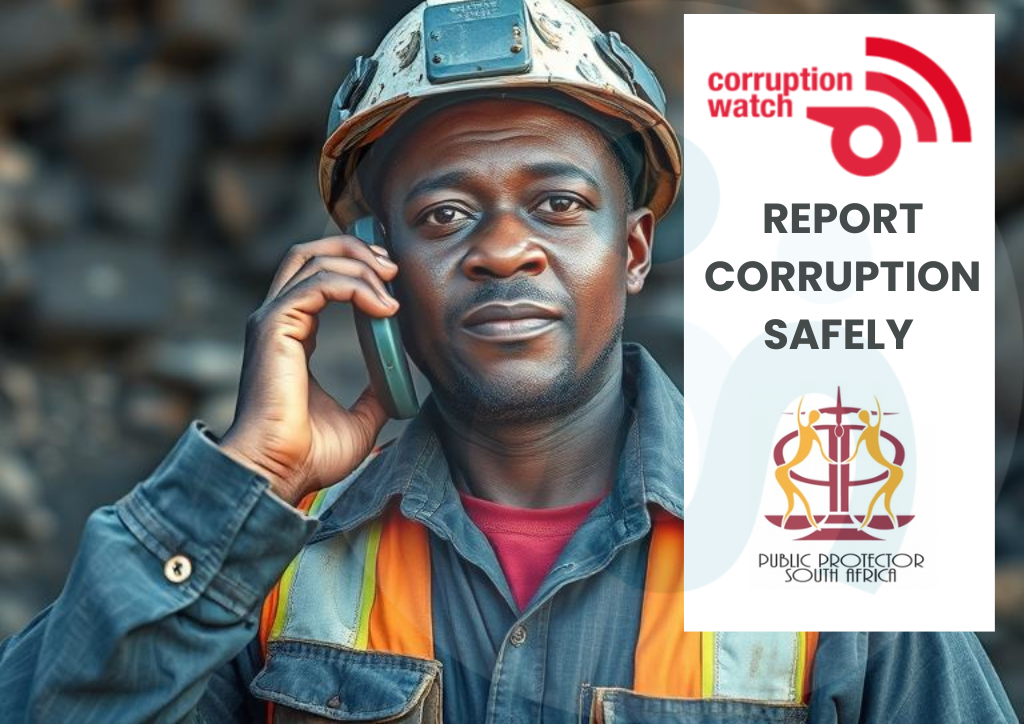
Report What You See — Safely and Anonymously
Use trusted platforms like:
Document incidents and protect your identity where necessary. “Reporting corruption can be risky, but it’s powerful when done through safe channels.” — U4 Anti-Corruption Resource Centre
When Money Goes Where It Should, Everyone Wins
Corruption doesn’t just steal rands—it steals futures. It robs workers of jobs, safety, and dignity. But it doesn't have to stay that way. By pushing for honest leadership, standing against unethical behaviour, and protecting whistleblowers, we can build a mining sector that works for workers — not against them.
Let’s not be silent. Let’s be part of the fix.
 Chat to Us
