


The Tools for Tomorrow: How South African Engineering is Moving Forward
South African engineering is entering a season of recalibration. As the industry prepares for the Mining Indaba in Cape Town this February, the most important breakthroughs are no longer confined to the rock face. They’re emerging at the intersection of data, systems, and decision-making — where AI governance, cloud platforms, and IoT networks are quietly reshaping how work gets done. Heavy machinery remains the backbone of the sector, but the “brain” of the operation is increasingly located in the control room, where data science now sets the rhythm of productivity.
The defining theme for 2026 is practical rather than aspirational:
Output depends on the rise of the hybrid engineer.
This is a professional equally fluent in operational reality and digital oversight — capable of moving between site conditions, dashboards, and environmental constraints without losing momentum. Supported by ECSA’s push toward digitisation and automation, and by 4IR-integrated research emerging from institutions like the University of Johannesburg, the engineering toolkit has expanded well beyond traditional boundaries.
This shift is being met with real investment. The Minerals Council South Africa reports that member companies continue to channel billions of rand into training and skills development, signalling a shared understanding across the sector:
Future competitiveness will depend on people who can connect old-school experience with new-world demands — and make that combination work under real operating conditions.
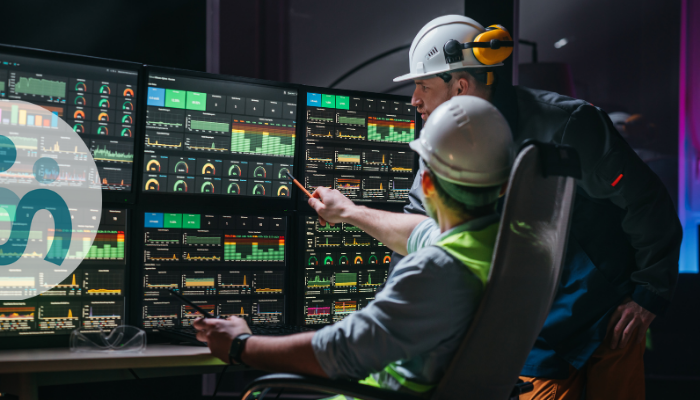
1. ROCs and Telemetry
You don’t always have to be at the pit edge to know exactly what’s happening. Remote Operations Centres (ROCs) are now a standard part of the job for iron ore, platinum, and coal teams. Specialists in Gauteng or KZN can now keep an eye on a site in Limpopo or the Northern Cape in real-time.
This works through telemetry—basically a network of sensors that act like the mine’s nervous system. They track engine heat, vibrations, and gas levels, sending that info straight to a dashboard. It means we can catch a mechanical failure before it happens, saving a massive amount of downtime.
For today’s engineer, being able to read this data is becoming just as basic a skill as knowing how to read a blueprint.
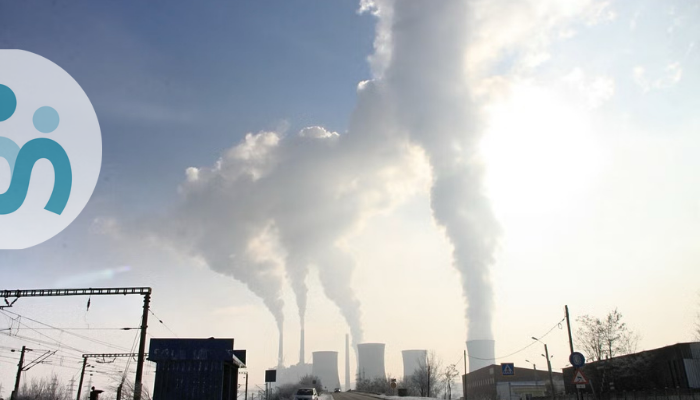
2. The Scope 3 Challenge
Environmental performance isn’t just a paperwork exercise anymore; it’s part of the engineering process.
With the Climate Change Act now in full swing, managing emissions is a technical hurdle we all have to clear.
The real talk right now is about Scope 3 emissions. These are the indirect ones—the carbon footprint of our suppliers, the trucks on the road, and the ships leaving Richards Bay or Saldanha. Global buyers are looking at these numbers closely. Today’s project managers need to track carbon flows with the same "sharp pencil" they use for budgets and safety stats.
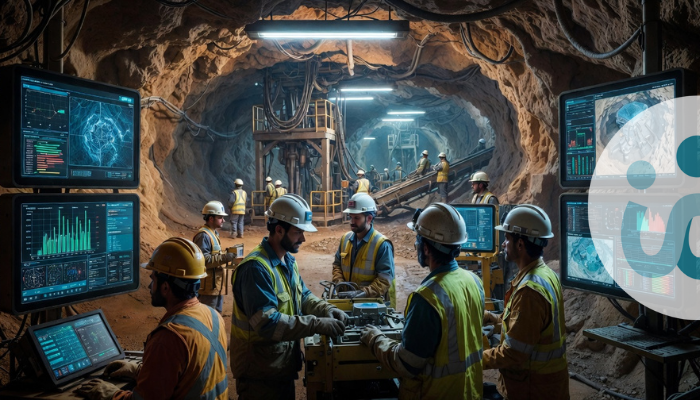
3. AI at the Stope Face
We all know that South Africa has some of the toughest underground conditions in the world.
To get closer to Zero Harm, we’re using AI to handle the riskiest jobs at the stope face.
We’re seeing more autonomous drills and remote loaders being used alongside digital twins (virtual copies of the mine).
This lets the team plan a blast or an extraction from a safe surface control room before anyone goes near the face. It’s not about replacing people; it’s about making sure the people we have stay out of harm’s way.
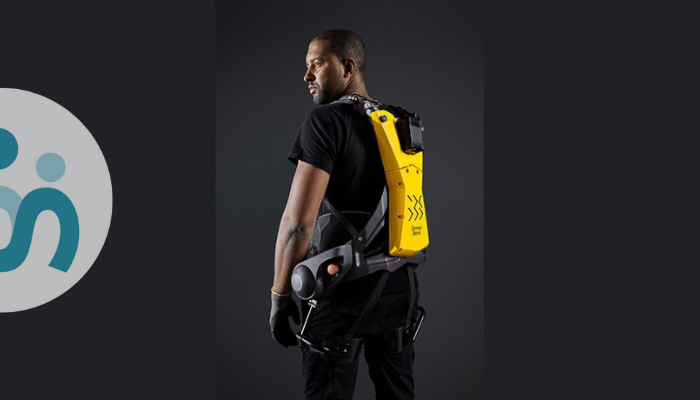
4. Tech That Has Your Back
The latest wave of tech, called Industry 5.0, is all about:
Tools that make a person’s job easier, not obsolete.
Think about wearable exoskeletons that take the strain off your back during a long shift, or Augmented Reality (AR) headsets that let a senior artisan guide a junior tech through a tricky repair from hundreds of kilometres away. In a country where passing on skills is so important, these tools are game-changers for training the next generation.
5. Building the Workforce Behind the Tools
All of this technology only works if the skills are there to support it. And that’s where the next shift is happening.
Across mining, energy, and infrastructure projects, demand is rising fast for engineers and technologists who understand cloud computing, IoT systems, data science, renewable energy engineering, and the ethics behind AI-driven decision-making.
These skills are no longer “future-facing” — they’re becoming part of the job description.
Universities are responding.
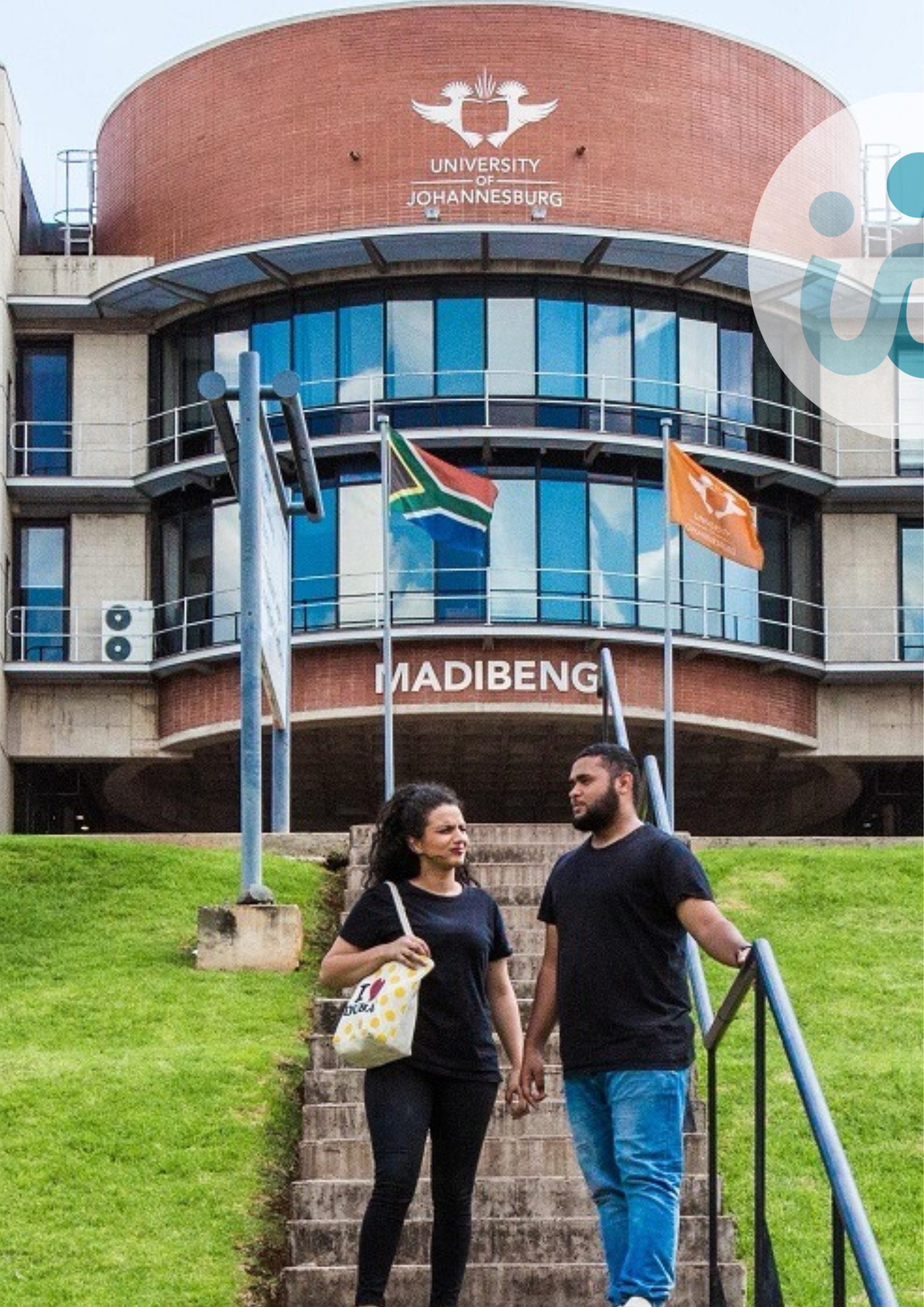
Institutions like the University of Johannesburg, which consistently ranks strongly for engineering and technology, are embedding digital systems, sustainability, and applied research into their engineering programmes.
Graduates are entering the workplace better prepared for environments that blend physical and digital work.
Professional bodies are reinforcing this shift too. The Engineering Council of South Africa (ECSA) has placed digitisation, automation, and transformation at the centre of its strategic priorities, while actively encouraging greater participation from women and historically underrepresented groups in STEM.
The goal is a broader, more resilient skills base that can support inclusive growth across the sector.
The Bottom Line
The tools of the trade are changing. In 2026, progress isn't just about how much earth we move, but how intelligently we manage the whole system. It’s a steady, meaningful evolution—and it’s building an industry that’s tougher, safer, and ready for whatever comes next.
For a closer look at how engineering and mining are evolving in practice, this short film offers a grounded view of the tools and thinking shaping the sector’s next phase.”

 Chat to Us
