

The Small Things at Work That People Notice
You probably don't spend much time thinking about the small things you do at work. You arrive for your shift, get on with your responsibilities, deal with whatever problems come your way and eventually head home. But while you're focused on getting the job done, the people around you are noticing more than you might realise. Your manager, supervisor and colleagues are constantly forming an impression of how you work. It isn't necessarily based on one big achievement or one difficult job you've completed. More often, it's built from the small things you do consistently, how you arrive at work, how you treat equipment, how you respond when something goes wrong and how you interact with the people around you. These things may seem insignificant individually, but over time they can shape your professional reputation.
How You Start Your Day
Being consistently on time might not feel like an achievement. After all, you're simply arriving when you're supposed to.
But reliability starts with the basics. Arriving on time, being prepared for your shift and knowing what needs to be done demonstrates that you take your responsibilities seriously. In industries where teams depend on one another to keep operations running, one person's poor timekeeping can affect an entire shift.
The same applies to being prepared. Having the correct equipment, checking what work needs to be completed and understanding what happened during the previous shift can make a significant difference to how effectively you start your day. These aren't extraordinary actions. They're simply good habits and good habits are noticed.
How You Treat Equipment
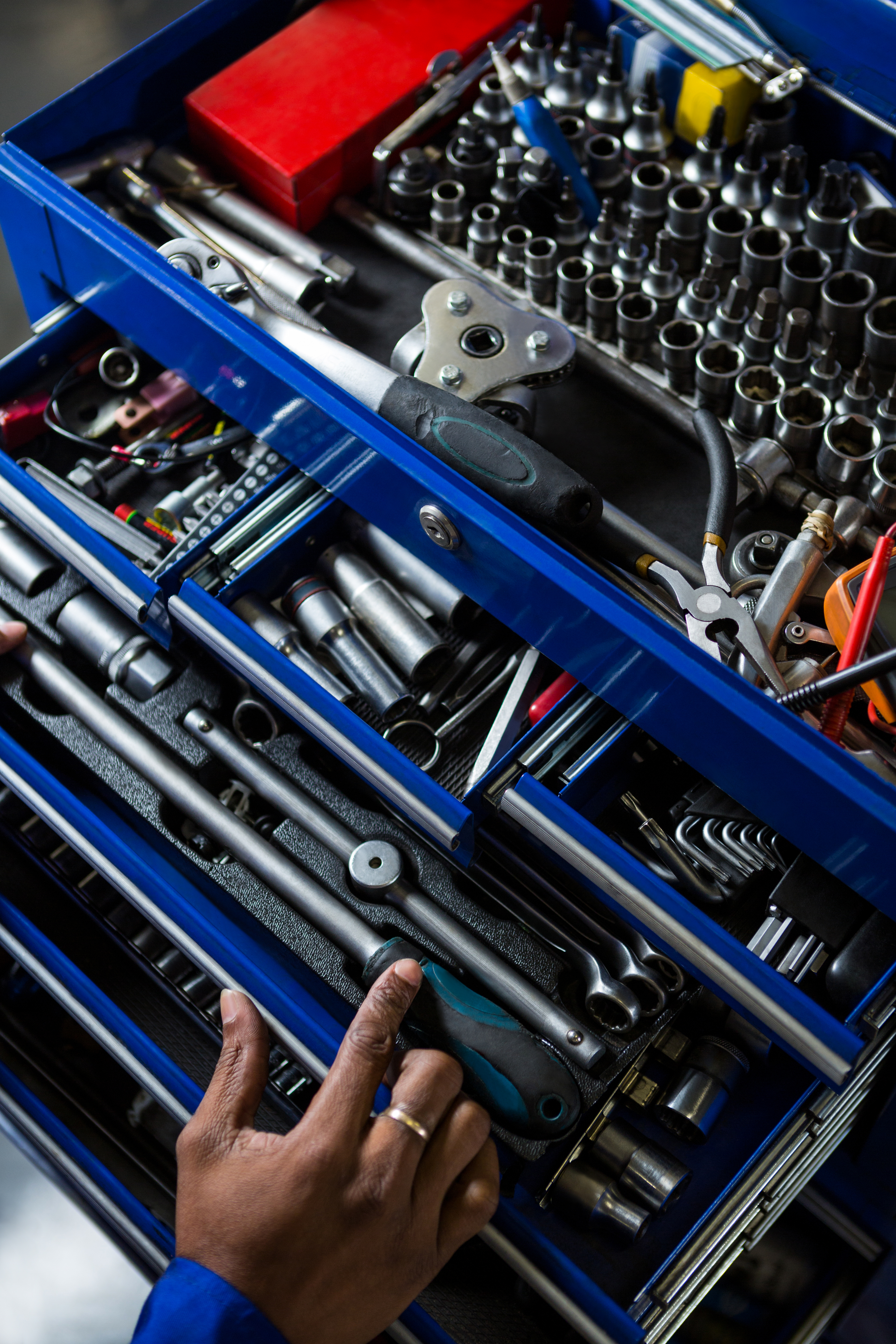
If you work with tools, machinery, vehicles or specialised equipment, the way you treat those things says something about how you approach your work. Someone who takes care of their tools, reports problems promptly and leaves equipment properly maintained and ready for the next person demonstrates responsibility. Someone who leaves damaged equipment without reporting it or treats company property carelessly sends a very different message.
In mining and engineering environments, this can also have practical consequences. Poor equipment care can contribute to downtime, unnecessary repair costs and potentially unsafe working conditions. Looking after the equipment you work with isn't just about protecting company property. It shows that you understand the importance of doing the job properly from beginning to end.
How You Speak to People
Workplaces are made up of people with different personalities, levels of experience and responsibilities. You won't always agree with your colleagues or enjoy working with everyone you meet. That doesn't mean professionalism has to disappear.
The way you speak to supervisors, colleagues, contractors, apprentices and support staff can tell people a great deal about you. Someone who remains respectful when dealing with disagreement or pressure often earns more trust than someone who is only pleasant when everything is going their way. This doesn't mean you have to avoid difficult conversations. Good communication sometimes means being able to raise a problem, disagree with someone or point out a mistake. The important part is how you do it.
How You React When Things Go Wrong
It's easy to look professional when everything is going according to plan. The real test often comes when something goes wrong.
A machine breaks down. A job takes longer than expected. A deadline changes. A customer is unhappy. A colleague makes a mistake that affects your work. These situations reveal how people respond under pressure.
Do you immediately become frustrated and start looking for someone to blame? Or can you step back, understand what has happened and focus on finding a practical solution? Nobody expects employees to remain completely calm in every difficult situation. But being able to manage your response, communicate clearly and concentrate on solving the problem is a valuable workplace skill.
Your technical ability matters. So does the way you use it when things aren't going according to plan.

What You Do When Nobody Is Watching
It's relatively easy to follow the rules when a supervisor is standing nearby. The more revealing question is what happens when nobody is watching.
Do you still follow the correct procedure? Do you wear the required PPE? Do you complete your paperwork accurately? Do you report a problem even when ignoring it would be easier? Do you leave your work area properly when you're finished?
These are the moments when personal responsibility becomes visible. A good work ethic isn't something you switch on when management walks past. It's demonstrated through the decisions you make when you could easily take a shortcut and nobody would immediately know. People may not comment on these things every day, but consistent behaviour has a way of becoming part of your reputation.
Whether You Take Responsibility for Your Mistakes
Everyone makes mistakes. Even experienced and highly skilled employees get things wrong from time to time. What people often remember isn't the mistake itself, but how the person handled it. Trying to hide a mistake or immediately blaming someone else can turn a relatively small problem into a much bigger one. Taking responsibility, communicating what happened and helping to find a solution demonstrates maturity.
That doesn't mean you should accept blame for something that wasn't your responsibility. It means being honest about the things you could have done differently and being willing to learn from them. A person who can say, “I made a mistake, here's what happened, and here's what I'm doing to fix it,” can often earn more respect than someone who always has an excuse.
Whether You Help the Next Person
Your job may be to complete your own responsibilities, but your work rarely exists completely on its own. A proper handover can help the next shift. A clear maintenance report can help the person who works on the equipment tomorrow. Showing a less experienced colleague how to do something correctly can prevent problems later.
Sometimes helping the next person takes only a few minutes.
It could be as simple as putting tools back where they belong, explaining an issue that still needs attention or sharing information that the next person needs to know. These actions may not appear on a job description, but they contribute to the way a team operates. People remember colleagues who make their jobs easier rather than creating unnecessary problems for others.

Whether You Keep Learning
Experience is valuable, but it shouldn't mean that learning stops. Technology continues to change. Equipment becomes more advanced. Safety procedures are updated. Companies introduce new systems and processes. Even the way information is recorded and communicated can change over time.
Being willing to learn doesn't mean that the experience you've gained over the years is no longer important. In fact, combining experience with new knowledge can make you even more effective. You might learn how to use a new piece of equipment, improve your understanding of a digital system, complete additional workplace training or simply learn from someone who approaches a familiar problem differently.
Nobody knows everything. The willingness to keep learning can be one of the things that separates someone who simply has experience from someone who continues to develop throughout their career.
The Small Things Add Up
No single small action is going to define your entire career. Being five minutes early won't automatically get you promoted. Keeping your tools organised won't guarantee your next job. Helping a colleague won't suddenly make you the most valuable person in the workplace.
But these behaviours add up. Over time, they create an impression of who you are as an employee. You may become known as the person who can be relied on, the person who takes care of equipment, the person who helps the team, the person who takes responsibility or the person who stays focused when things get difficult.
Alternatively, small negative habits can build a reputation too. Being regularly late, leaving problems for someone else, ignoring procedures, blaming others or treating colleagues poorly may each seem like isolated incidents. But when they happen repeatedly, people start to notice a pattern.
Your Reputation Is Built Every Day
Your professional reputation isn't created during one important meeting or one successful project. It's built through ordinary working days. It's built when you arrive on time, complete the job properly, look after your equipment, communicate with your colleagues and take responsibility for your work. It's built when you do the right thing even when nobody is checking. And the interesting thing is that you don't always know who is noticing.
The colleague you help today may remember it months later. The supervisor who sees your consistency may think of you when an opportunity becomes available. The manager who knows they can rely on you may give you greater responsibility. You can't control every opportunity that comes your way. But you can control the impression you leave through the small things you do every day. Because sometimes, the smallest things you do at work say the most about the kind of employee you are.
 Chat to Us
