

How Safety Skills Can Make You a More Valuable Employee
Being good at your job isn't only about getting the job done. It's about getting the job done safely. For artisans working in mining, engineering, construction, manufacturing and other industrial environments, technical skills are essential. But employers also need people who understand workplace hazards, follow procedures and make responsible decisions when something doesn't look right. Strong safety skills can make you a more valuable employee and they can also help you stand out when applying for your next position.
You become trustworthy
Imagine you're a diesel mechanic working on heavy machinery. You notice that a hydraulic hose is showing signs of damage. It might be quicker to finish the job and deal with it later, but you understand the potential consequences and report it immediately. That decision could prevent an equipment failure, injury or costly downtime.
Safety awareness isn't about being difficult or slowing production down. It's about recognising risks before they become problems.
You demonstrate professionalism
Employers notice how employees approach safety.
For example:
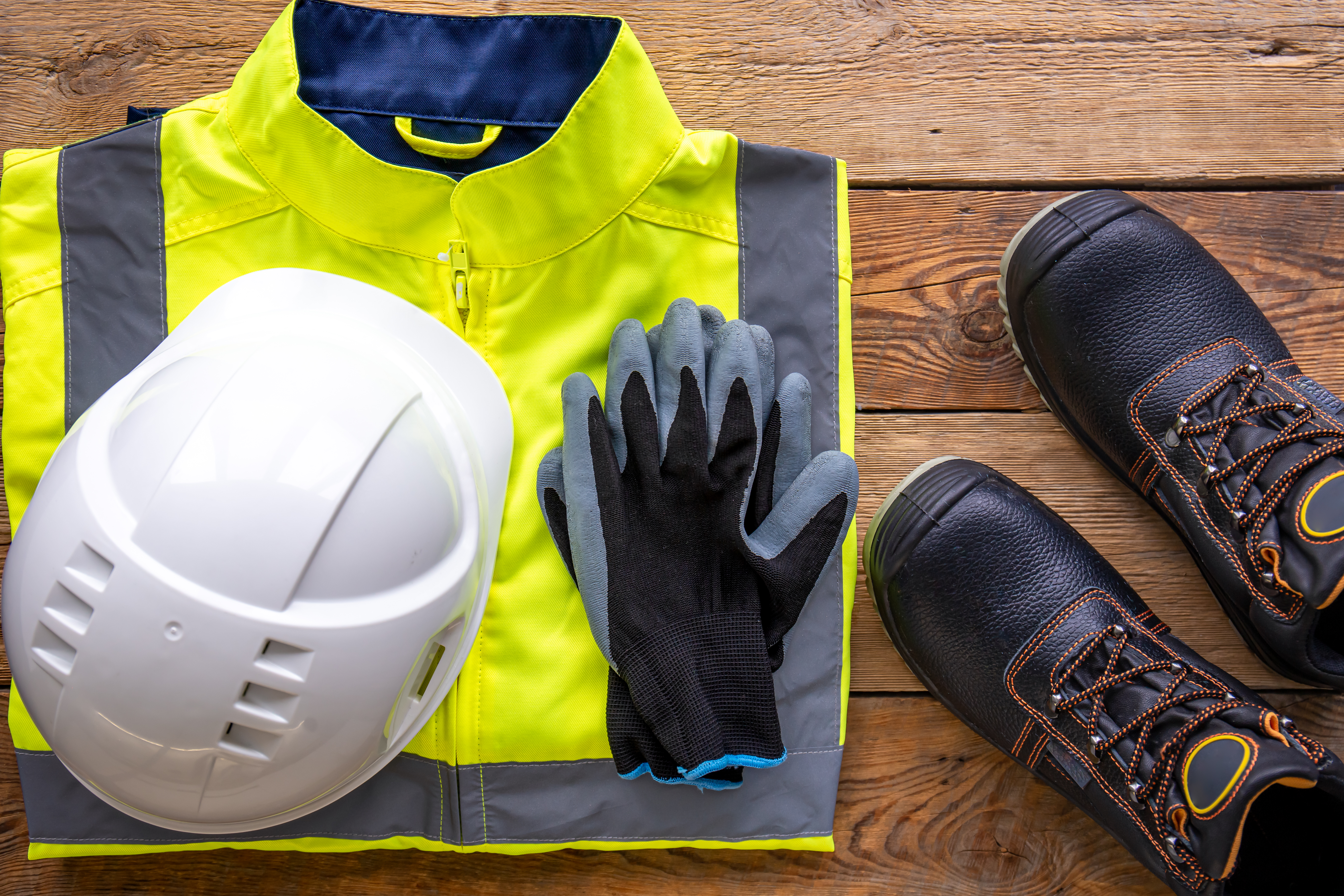
- Do you wear the correct PPE without being reminded?
- Do you follow site procedures?
- Do you report hazards?
- Do you participate in toolbox talks?
- Do you keep your work area clean and organised?
- Do you stop and ask when you're unsure about a procedure?
- Do you take shortcuts when nobody is watching?
These behaviours say a lot about your attitude and reliability.
It can strengthen your CV
Imagine two candidates applying for the same artisan position. Both have similar technical qualifications and experience.
Candidate A lists their trade qualification and work experience. Candidate B has the same qualifications and experience but has also completed relevant training such as Hazard Identification and Risk Assessment (HIRA), First Aid, Basic Firefighting, Working at Heights or SHE Representative training.
The additional training doesn't automatically make Candidate B the better candidate, but it demonstrates a commitment to workplace safety and continued learning.
That's worth highlighting on your CV.
You help prevent downtime
Consider a millwright working on industrial equipment. Before starting maintenance, you make sure the correct isolation and lockout procedures have been followed. You identify stored energy and confirm that the equipment is safe to work on. That extra attention could prevent an accident but it can also prevent damage to equipment and unnecessary production delays.
Employees who understand how safety and productivity are connected can bring real value to a workplace.
Safety knowledge supports career progression
As you gain experience, you may want to move into positions such as team leader, supervisor or workshop management. Safety knowledge becomes increasingly important as your responsibilities grow.
A supervisor isn't only responsible for their own safety. They may also be expected to recognise hazards, communicate safety requirements, conduct or participate in risk assessments and ensure that team members follow established procedures. Building your safety knowledge early can therefore become part of building your career.
Practical Safety Qualifications to Consider
You don't necessarily need to start with an advanced qualification. Look at training that is relevant to your trade, workplace and career goals.
🔹 Hazard Identification & Risk Assessment (HIRA)
HIRA training can help you understand how to identify workplace hazards, assess risks and implement appropriate controls. This is particularly useful for artisans who regularly work with machinery, equipment, hazardous environments or changing work conditions.
🔹 Working at Heights
For artisans who work at height, such as certain electricians, millwrights, construction workers and maintenance teams, working-at-heights training can be particularly relevant.
NOSA offers specialised working-at-heights training among its safety programmes.
🔹 First Aid
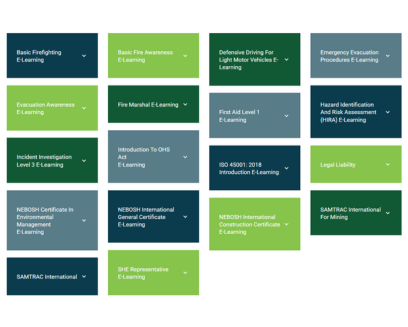
First Aid training can be valuable in virtually any workplace. NOSA currently offers First Aid Level 1 through its e-learning programme, among other safety-related courses.
E-Learning Course available at NOSA: https://safetycloud.co.za/course/first-aid-level-1/
🔹 SAMTRAC
For someone wanting to take their safety knowledge further, SAMTRAC is a more advanced option. NOSA describes SAMTRAC as its flagship occupational health and safety management course, with programmes including options specifically focused on mining and construction.
🔹 Fire Safety
Fire Awareness training or Fire Marshal training can give you practical knowledge about preventing, identifying and responding to workplace fires. These courses are available through NOSA's online training options: https://safetycloud.co.za/course/fire-marshal/
Where can you find training?
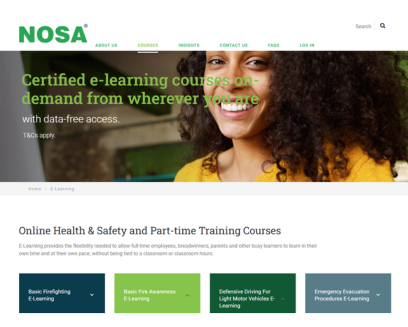
One established South African provider is NOSA, which offers classroom, webinar and e-learning options across areas including safety in mining, working at heights, emergency safety, legislation, HIRA and other specialised subjects.
Before enrolling in any course, check the entry requirements, accreditation/recognition, course relevance and whether the qualification is accepted by the employers or sites you are targeting.
Don't Just Collect Certificates
One of the biggest mistakes jobseekers can make is collecting certificates without being able to explain how they apply them.
If you have completed HIRA training, for example, don't simply put "HIRA Certificate" on your CV. Be prepared to explain how you have used risk assessment in the workplace. If you've completed First Aid training, think about how you've contributed to emergency preparedness. If you've completed working-at-heights training, be ready to discuss how you apply fall-prevention procedures. The real value of safety training is what you do with the knowledge. Make Safety Part of Your Professional Reputation
Your technical skills might get you through the door, but your attitude, reliability and approach to safety can help determine how valuable you become once you're there. For artisans, a strong combination of:
Technical skills + Safety awareness + Experience + Professional attitude can make a powerful career foundation.
So, take a look at your CV this week. What safety skills or qualifications could you add? And if you haven't done any additional safety training yet, start by identifying the risks most relevant to your trade and look for training that addresses them.
Looking for your next opportunity?
Bilnor Staffing Solutions connects skilled candidates with opportunities in the mining and engineering industries. Register your CV and keep your profile updated so that your skills, experience and qualifications are ready when the right opportunity comes along.
 Chat to Us
