


Climbing the Ladder: Your Guide to a Scaffolding Career in South Africa
Certification is Key: The Regulatory Gateway
In a high-risk environment like working at height, shortcuts are simply not tolerated. The entire scaffolding profession in South Africa is governed by strict compliance with the Occupational Health and Safety Act (OHSACT) and the South African National Standards (SANS 10085).
To legally practice, aspiring scaffolders must undergo formal training that aligns with specific SAQA (South African Qualifications Authority) Unit Standards.
This is not just a course; it's a gateway to your professional license.
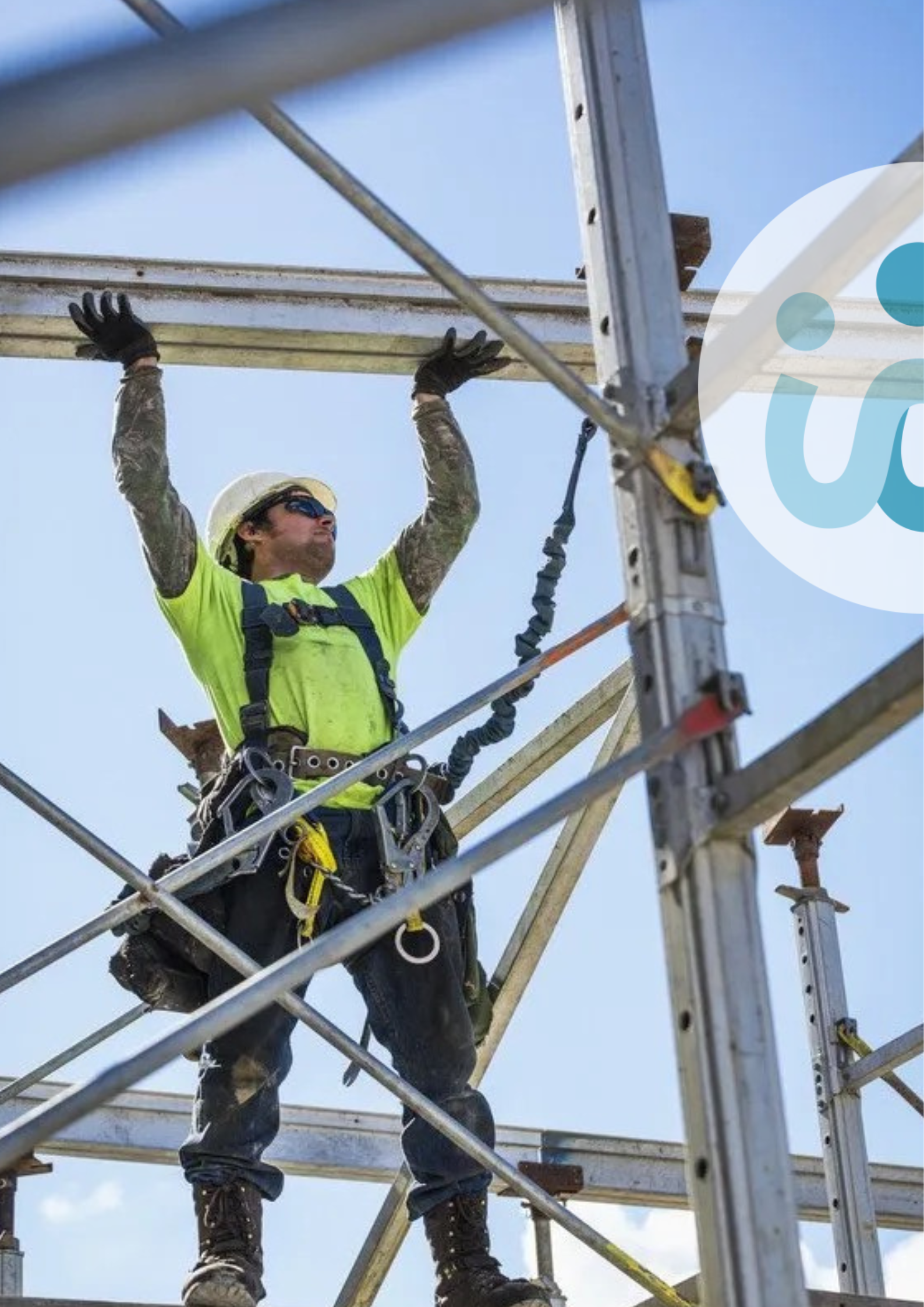
The Hierarchy of Scaffolding Qualifications
The career path is progressive, requiring dedication and proof of competency at each stage:
- Scaffold Hand (Entry-Level): This is the starting point. The primary focus here is assisting, learning components, and mastering fall arrest techniques (Unit Standard 229998) which is non-negotiable for anyone working at height.
- Scaffold Erector (The Core Qualification): This designation is essential for anyone responsible for building the structures. The training covers the safe erection, use, and dismantling of access scaffolding (Unit Standard 263245). This training is rigorous, combining in-class theory on load-bearing and safety regulations with extensive practical, hands-on application.
- Scaffold Inspector: This is a step up, involving a deeper technical understanding. Inspectors must be competent in erection and have additional training (Unit Standard 263205) to inspect erected scaffolds and officially sign them off as safe for use.
- Scaffold Supervisor: The leadership role, requiring a thorough understanding of all scaffold types, applications, safety regulations, and the management of a scaffolding team on complex sites.
Upon successful completion of training and practical assessment, a scaffolder must obtain a License to Operate from the IWH Professional Body (Institute for Work At Height). This license is crucial and typically requires renewal every three years to ensure continued competence.

Where to Get Your Credentials
Your training provider must be accredited. In South Africa, the key accreditations you must look for are from the Construction Education & Training Authority (CETA) and recognition by the IWH Professional Body.
Accredited centres, such as those run by major industrial services companies or dedicated safety training academies, are available across major metropolitan areas including Gauteng (Johannesburg, Pretoria, Kempton Park), Cape Town, and Durban.
Before committing to a course, always verify the provider's CETA/IWH accreditation and ensure the unit standards covered are the ones mandated by the industry for the qualification you seek.
Training involves both theoretical learning and essential practical experience—the ability to physically erect and dismantle the structures under supervision. Many providers offer short courses ranging from two to five days, depending on the level of specialisation.
Breaking In: Learnerships and Entry-Level Experience
While formal "internships" specifically for scaffolding are rare, the industry follows a clear path of practical development via learnerships and entry-level employment.
- Learnerships: The CETA frequently facilitates learnership programmes in collaboration with large construction firms. These structured programmes provide a combination of theoretical training and guaranteed work experience, often with a stipend, making them an excellent formal entry route for unemployed youth.
- Scaffold Hand/Fixer: The most direct route is securing an entry-level position with a scaffolding or industrial maintenance company. These companies are your "training ground," offering the necessary on-the-job mentorship and practical hours required to progress from a Scaffolding Fixer to a full Erector. Companies in high-value sectors like Mining, Oil & Gas, and Industrial Maintenance are constant employers.

Earning Potential: What Does a Scaffolder Earn?
A career in scaffolding is physically demanding but financially rewarding, reflecting the high degree of skill and risk involved. Salaries can vary based on location, sector, and specific qualifications (e.g., offshore work commands a premium).
- Entry-Level/Fixer
Estimated Average Annual Salary (ZAR): R230,000 to R330,000
Key Factors Influencing Pay: Basic certification, no experience, general construction site work.
- Qualified Erector
Estimated Average Annual Salary (ZAR): R330,000 to R400,000+
Key Factors Influencing Pay: Full License to Operate, experience in various scaffolding systems (e.g., Kwik-Stage).
- Inspector/Supervisor
Estimated Average Annual Salary (ZAR): R400,000 and up
Key Factors Influencing Pay: Advanced certifications, technical knowledge, supervisory responsibility, experience in high-risk environments.
- Offshore/Specialised
Estimated Average Annual Salary (ZAR): Can exceed R450,000
Key Factors Influencing Pay: Work in the petrochemical or offshore energy sectors where expertise is highly valued.
Launch Your Career Today
The scaffolding industry is vital to South Africa’s economic infrastructure. By obtaining the correct, accredited training and committing to safety standards, you can establish a lucrative and essential professional trade.

 Chat to Us
